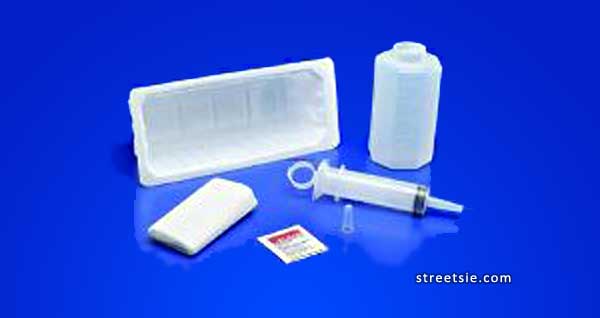
A bladder washout is a technique used to flush blood clots or debris from the bladder by pushing solution into the bladder and immediately draining. A bladder washout may also be performed when unable to drink enough fluids, or to rid the bladder of certain urinary tract infections.
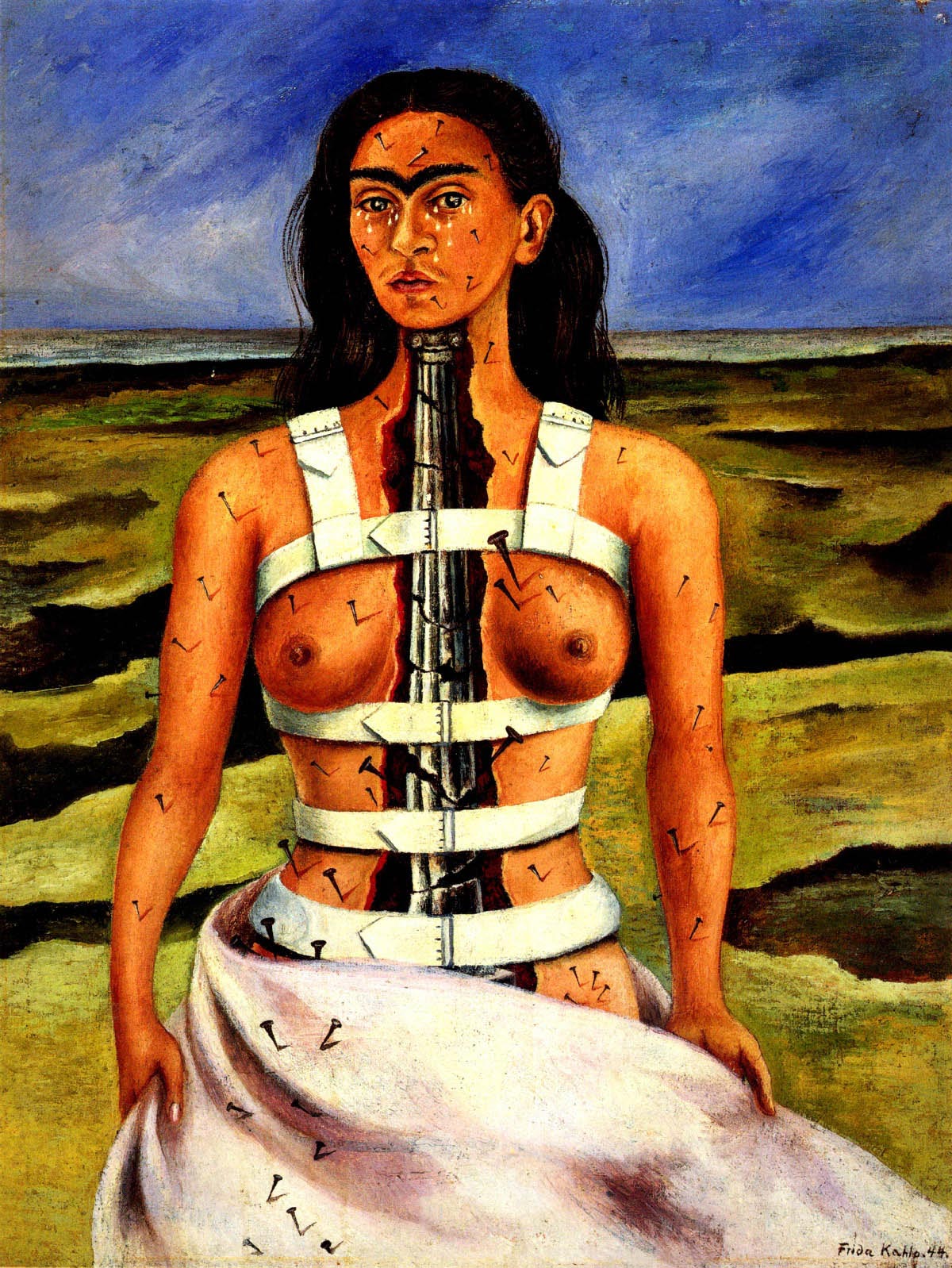
Influential Mexican painter Frida Kahlo (1907-1954) painted images of a disabled female body. Striking self portrait’s of her own trauma following a tram car accident in 1925 in which she suffered spinal column and spinal cord injuries. Frida Kahlo paintings and artworks are an artists journey through pain trauma and recovery.
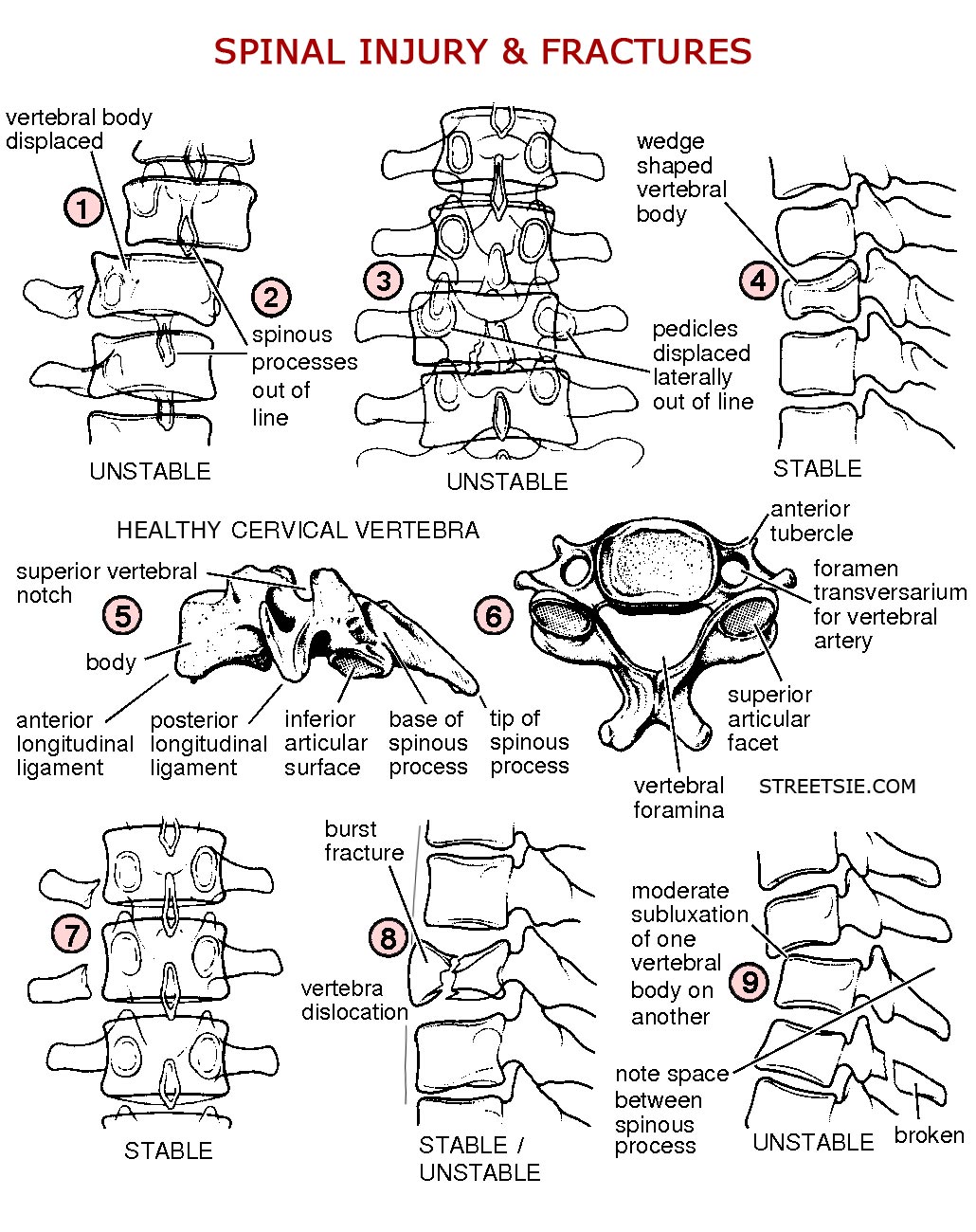
Radiology x-rays offer vital information to medical specialists after a spinal injury. The location and severity of damage revealed by x-rays directly determines the appropriate course of action to achieve best possible short and long term outcomes. MRI and CT scans further identify soft tissue and spinal cord damage.
Winner of the Audience Award and the Screenwriting Award at the Sundance Film Festival in 1992 The Waterdance is a film about coming to terms with paralysis and wheelchair life. Joel Garcia breaks his neck while hiking, and finds himself in a rehab center with Raymond, an exaggerating ladies man, and Bloss, a racist biker. Considerable tension builds as each character tries to cope with his new found disability and the problems that go with it, especially Joel, whose lover Anna is having as...
11.5 Following primary and secondary hospital examinations a spinal cord injury is often diagnosed as a type of syndrome and a prognosis of long term expected outcomes is given. It's important to remember spinal cord injury is about people's lives not expectation. A full life is lived when you make the most of what you have got, not what you have lost...
11.2 Neurological assessments provide valuable information on the location and extent of spinal cord damage. Additionally a level (T12) and category (complete or incomplete) can be diagnosed from the assessment, useful for rehabilitation and indicative of how much support will be required in order to re-join the community...
11.1 Primary and secondary examinations upon arrival at a hospital spinal unit determine the immediate course of action required to treat and stabilize a spinal cord injury. Vital life signs are secured and the entire length of the spine must be manually inspected for abnormalities. Hospital admission is a very stressful bewildering process and answers don't come quickly. Often the emotional state of the patient undergoing treatment is only considered after medical process...